
11. German language A1 : Personal Pronouns (Personalpronomen)
When learning German, one of the first steps is getting comfortable with personal pronouns—words like I, you, he, she, and they. These small but powerful words help us speak smoothly without repeating names all the time.
In German, pronouns are extra interesting because they also reflect gender (masculine, feminine, neuter) and number (singular, plural). On top of that, German makes a clear distinction between formal and informal forms of “you.”
Let’s explore them step by step.

🤔 What Are Personal Pronouns?
Personal pronouns replace nouns to avoid repetition. For example, instead of saying:
- Michael lives in Berlin. Michael is a teacher.
We can say:
- Michael lives in Berlin. He is a teacher.
In German, the same principle applies—just with a few extra rules to learn.
🔹 First Person: Talking About Yourself
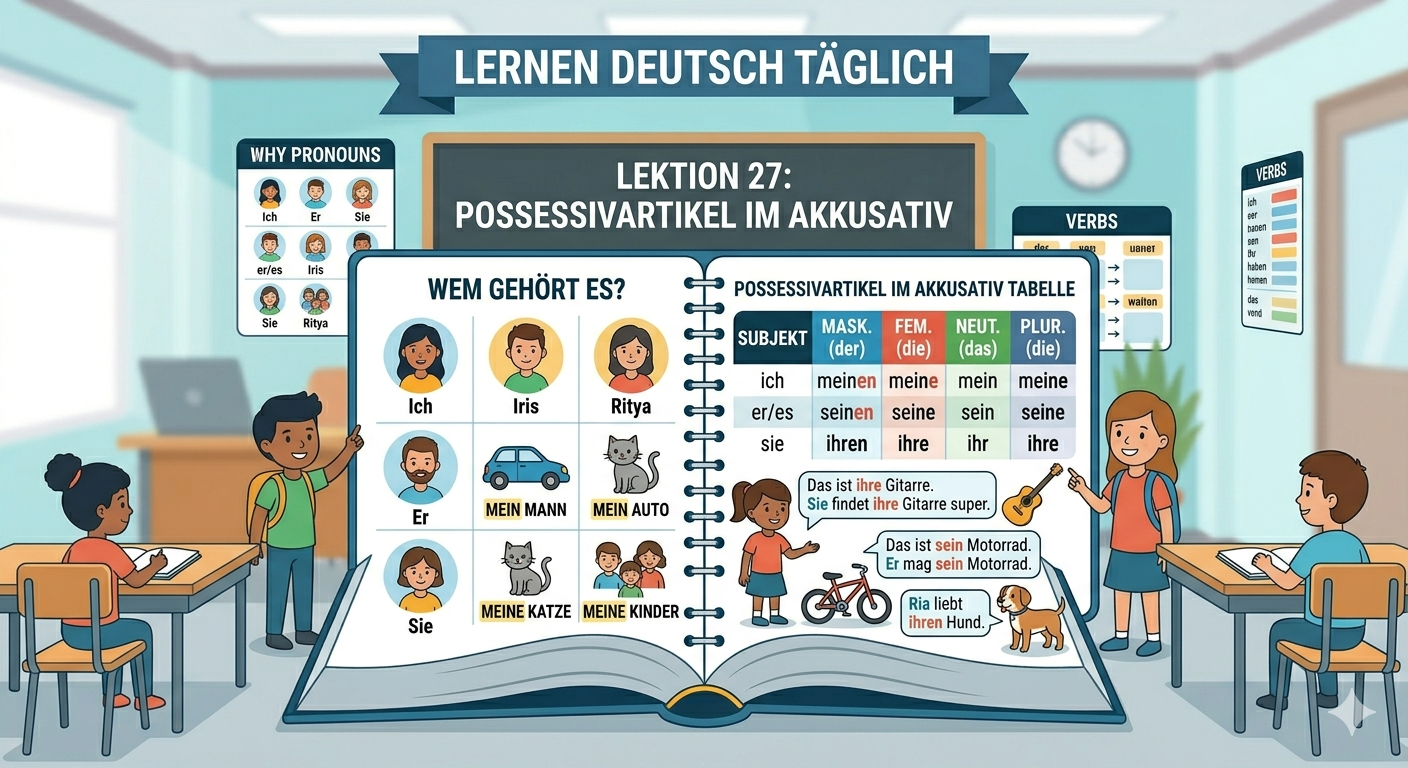
- Ich = I (singular)
- Wir = We (plural)
✅ Examples:
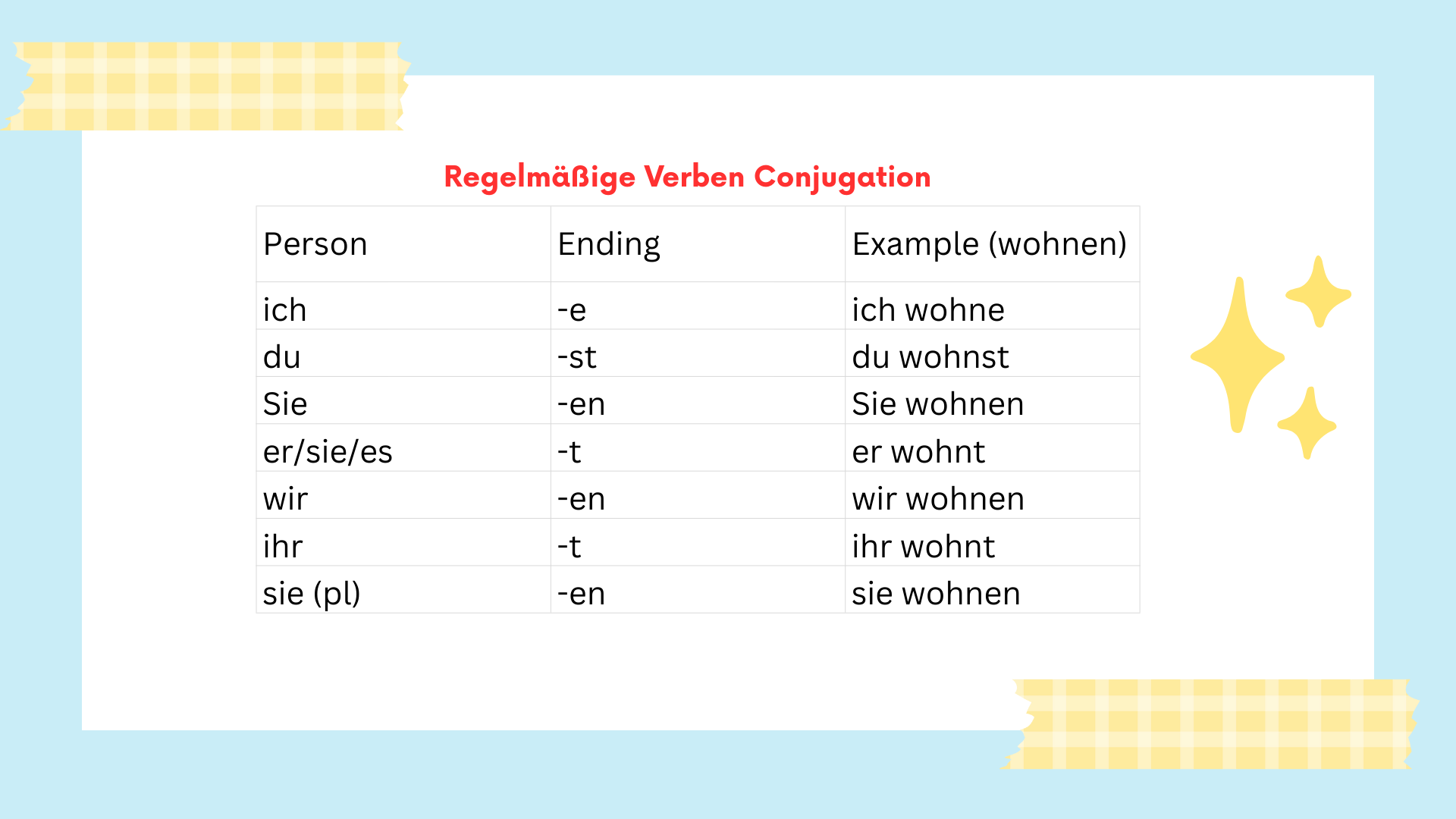
- Ich wohne in New York. → I live in New York.
- Wir wohnen in New York. → We live in New York.
🗣 Example introduction in German:
- Ich heiße Divya. Ich komme aus Indien. Ich habe ein Kind. Wir wohnen in Berlin.
(My name is Divya. I come from India. I have a child. We live in Berlin.)
🔹 Second Person: Talking To Someone
German distinguishes between informal (friends, family, children) and formal (strangers, professionals, authority figures).
✅ Informal “You”
- Du = You (singular)
- Ihr = You all / You guys (plural)
Examples:
- Oli, wo wohnst du? → Oli, where do you live?
- Yogin und Divya, wo wohnt ihr? → Yogin and Divya, where do you guys live?
✅ Formal “You” (always capitalized!)
- Sie = You (singular & plural, polite)
Examples:
- Herr Müller, wo wohnen Sie? → Mr. Müller, where do you live?
- Herr und Frau Müller, wo wohnen Sie? → Mr. and Mrs. Müller, where do you live?
👉 Remember: Sie (formal “you”) looks the same as sie (“she” or “they”). The meaning comes from context and capitalization.
🔹 Third Person: Talking About Someone or Something
German pronouns depend on gender (masculine, feminine, neuter).
Singular
- Er = He (masculine)
- Sie = She (feminine)
- Es = It (neuter)
Plural
- Sie = They
Examples:
- Das ist Michael. Er wohnt in London.
→ That is Michael. He lives in London. - Das ist Michaela. Sie wohnt in Paris.
→ That is Michaela. She lives in Paris. - Das ist mein Buch. Es ist alt.
→ That is my book. It is old. - Das sind Divya und Yogin. Sie wohnen in Berlin.
→ That is Divya and Yogin. They live in Berlin.
✅ Summary: German Personal Pronouns
Here’s a handy table to keep everything in one place:
| Person | Singular | Plural |
|---|---|---|
| 1st (I/We) | ich = I | wir = we |
| 2nd Informal | du = you | ihr = you all |
| 2nd Formal | Sie = you (formal) | Sie = you (formal, plural) |
| 3rd | er = he, sie = she, es = it | sie = they |
🚀 Final Thoughts
Learning pronouns may feel overwhelming at first, but they are the building blocks of communication. Once you master them, you’ll notice German sentences becoming clearer and easier to construct.
✨ Pro Tip: Practice by introducing yourself in German and describing the people around you using pronouns. It’s the quickest way to internalize them.








Leave a Reply