Learning some basic German vocabulary can make traveling in Germany much easier and more enjoyable. Whether you are at the airport, train station, hotel, or restaurant, a few useful words and phrases will help you communicate with locals and navigate your journey confidently. Germany’s transport system, run largely by Deutsche Bahn, connects many cities such as Berlin, Hamburg, and Munich, so knowing travel vocabulary is especially helpful. …

Continue readingTop German vocabulary for traveling.

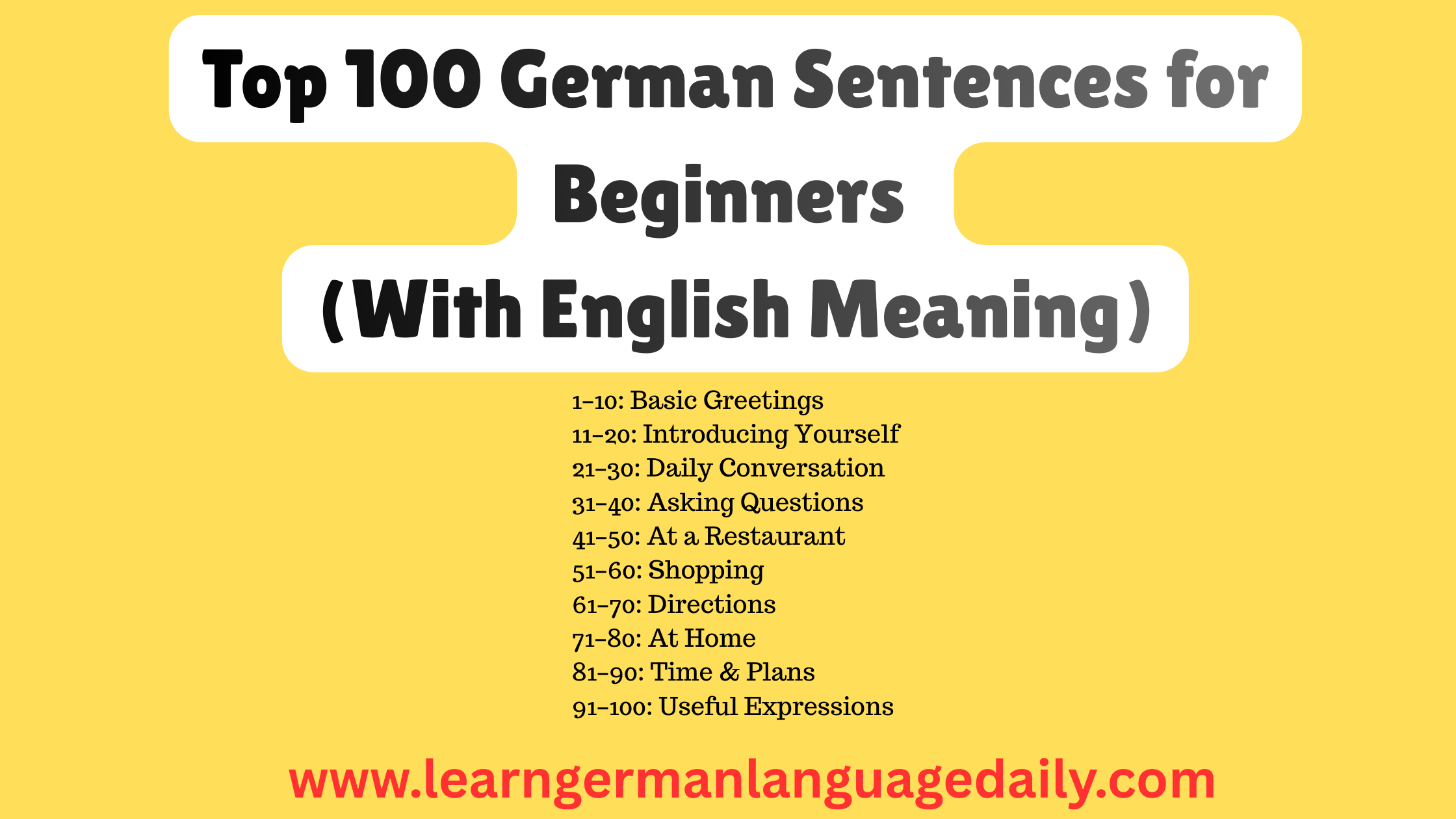
Learning German doesn’t have to be difficult. One of the best ways to start speaking a new language is by practicing simple, everyday sentences. In this guide, you’ll discover 100 basic German sentences for beginners that are useful in daily life—whether you’re greeting someone, introducing yourself, shopping, or asking for directions. These short and practical phrases will help you build confidence and improve your German conversation skills step by step. 🇩🇪✨ …

Continue reading100 German Sentences for Beginners (With English Meaning)

Family in German

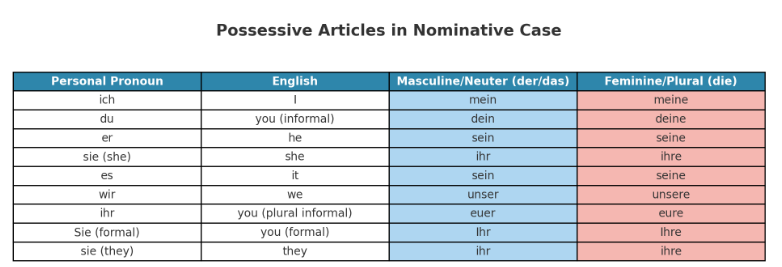
The Family is one of the first topics you’ll learn in German (A1 level). Talking about your family helps you introduce yourself and connect with others.

In German, family words change depending on gender (der, die, das) and whether they are singular or plural. You’ll also need to use possessive articles (mein, meine) to say my father, my mother, etc. …

Continue reading25. German language A1: The Family (Die Familie) in German.

How to tell time in German

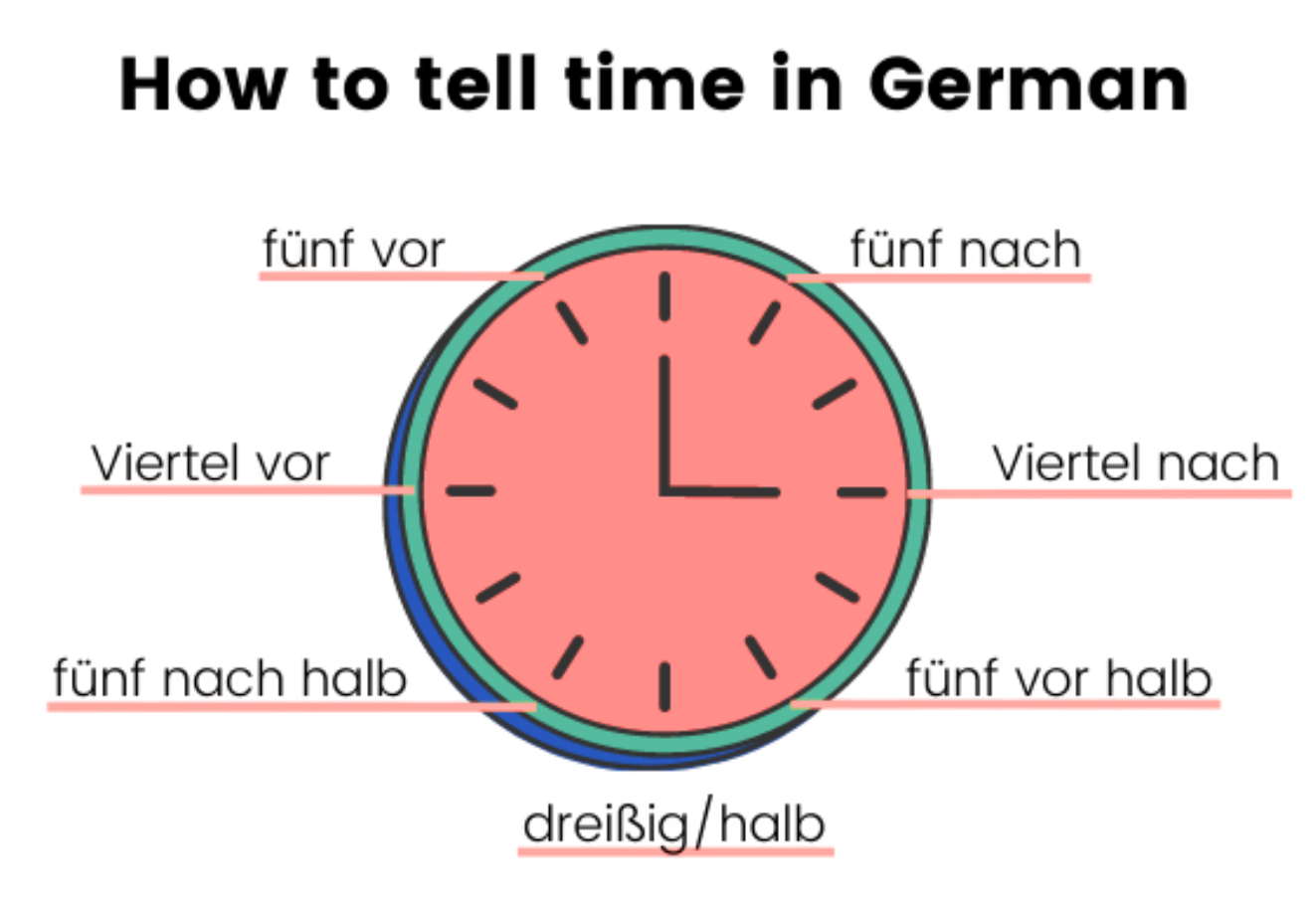
When learning German, most learners are first introduced to the official way of telling time (using the 24-hour clock: dreizehn Uhr, achtzehn Uhr, etc.). However, in everyday conversation, Germans often use a more colloquial and unofficial way to talk about the time. This can be confusing at first, especially if you’re used to the more straightforward “official” style. …

Continue reading23 : German language A1 : colloquial and unofficial way time in German

Unbestimmte Artikel im Nominativ (Indefinite Articles in Nominative Case)

In the last lesson, we learned about Bestimmte Artikel (definite articles) – der, die, das – which are used when we talk about something specific.

Today, we move to Unbestimmte Artikel (indefinite articles). These are used when we talk about something unspecific or general. …

Continue reading20. German language A1 : Unbestimmte Artikel im Nominativ (Indefinite Articles in Nominative Case)

19. German language A1 : Articles in German | Bestimmte Artikel (Der Die Das) im Nominativ

When learning German, one of the first grammar points we encounter is the article system. Every noun in German has a gender (masculine, feminine, neuter) and can also appear in singular or plural. Articles are very important because they stand in front of nouns and give us information about the gender, number, and case. …

Continue reading19. German language A1 : Articles in German | Bestimmte Artikel (Der Die Das) im Nominativ