
1. German language A1 : Greetings (Begrüßungen).
👋 Basic German Greetings
Here are the most commonly used greetings in German:
| German | English |
|---|---|
| Hallo | Hello |
| Guten Tag | Good day |
| Guten Morgen | Good morning |
| Guten Abend | Good evening |
| Gute Nacht | Good night |
| Tschüs | Bye |
| Auf Wiedersehen | Goodbye / See you soon |
| Auf Wiederhören | Goodbye (on the phone) |
🗣️ Regional Greetings & Common Phrases
| German | English |
|---|---|
| Wie geht es dir? | How are you? (informal) |
| Wie geht es Ihnen? | How are you? (formal) |
| Servus | Hello / Goodbye (South Germany, Austria) |
| Moin | Hello (North Germany) |
| Bis bald | See you soon |
| Bis später | See you later |
These greetings are part of everyday German and will help you sound natural and respectful in different settings — formal, informal, and regional.
📝 My Takeaway from Day 1
German has both formal and informal greetings, and it’s important to know when to use each. Regional phrases like Servus and Moin also give the language more personality depending on where you are.

Mastering German Dating Phrases
Whether you’re traveling in Germany, dating a German speaker, or just want to impress someone…

German at the Doctor: Essential Phrases, Vocabulary, and Tips
Visiting a doctor in Germany can feel intimidating if you’re not fluent in German. From…

Top German vocabulary for traveling.
Learning some basic German vocabulary can make traveling in Germany much easier and more enjoyable….
100 German Sentences for Beginners (With English Meaning)
Learning German doesn’t have to be difficult. One of the best ways to start speaking…

25. German language A1: The Family (Die Familie) in German.
The Family is one of the first topics you’ll learn in German (A1 level). Talking…
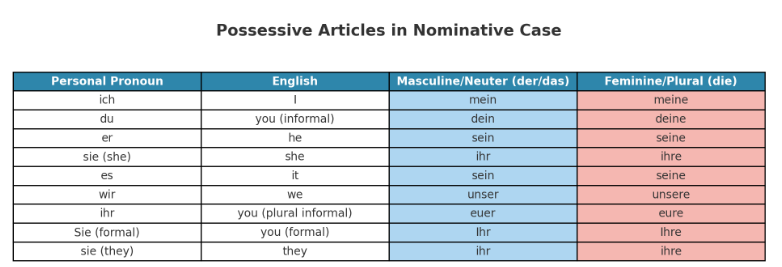
24.German language A1: Possessive Articles in German
When speaking German, we often need to say “my car,” “your cat,” “his book,” etc….

Leave a Reply