
Top 100 German Words You Need at the Supermarket (A1–A2 Level)
Visiting a supermarket is one of the best ways to learn real-life German. Whether you’re shopping for fruits, bread, or toilet paper, this list will help you talk, ask, and understand in German — even as a beginner!
Let’s explore 100 useful German words you’ll likely see or hear at the supermarket. We’ll organize them into clear sections, with example sentences to help you use them confidently.
🛒 1. Basics — Die Grundlagen
- der Supermarkt — supermarket
- der Einkauf — shopping
- das Geschäft — store/shop
- der Einkaufswagen — shopping cart
- der Korb — basket
- die Kasse — checkout
- der Kassierer / die Kassiererin — cashier
- die Schlange — line
- das Sonderangebot — special offer
- der Preis — price
Beispiel:
„Ich gehe in den Supermarkt und nehme einen Einkaufswagen.“
🥖 2. Bäckerei — Bakery Section
- das Brot — bread
- das Brötchen — bread roll
- die Brezel — pretzel
- der Kuchen — cake
- das Croissant — croissant
- die Torte — layer cake
- das Gebäck — pastry
- die Semmel — bread roll (in Bavaria)
- das Roggenbrot — rye bread
- das Vollkornbrot — whole grain bread
Beispiel:
„Ich kaufe ein Brötchen und ein Stück Kuchen.“
🥛 3. Milchprodukte — Dairy Products
- die Milch — milk
- der Käse — cheese
- der Joghurt — yogurt
- die Butter — butter
- die Sahne — cream
- der Quark — curd
- die Buttermilch — buttermilk
- der Frischkäse — cream cheese
- der Mozzarella — mozzarella
- der Schafskäse — sheep cheese
Beispiel:
„Der Joghurt ist im Kühlregal.“
🍏 4. Obst — Fruits
- der Apfel — apple
- die Banane — banana
- die Orange — orange
- die Birne — pear
- die Trauben — grapes
- die Erdbeere — strawberry
- die Ananas — pineapple
- die Mango — mango
- die Kirschen — cherries
- die Zitrone — lemon
Beispiel:
„Ich nehme drei Äpfel und eine Mango.“
🥦 5. Gemüse — Vegetables
- die Tomate — tomato
- die Kartoffel — potato
- die Karotte — carrot
- der Salat — lettuce
- die Gurke — cucumber
- die Zwiebel — onion
- der Knoblauch — garlic
- der Spinat — spinach
- der Brokkoli — broccoli
- die Paprika — bell pepper
Beispiel:
„Ich brauche Zwiebeln und Knoblauch.“
🍗 6. Fleisch & Fisch — Meat & Fish
- das Fleisch — meat
- das Hähnchen — chicken
- das Rindfleisch — beef
- das Schweinefleisch — pork
- der Fisch — fish
- die Wurst — sausage
- das Steak — steak
- der Schinken — ham
- die Frikadelle — meatball/patty
- der Lachs — salmon
Beispiel:
„Das Rindfleisch ist teuer.“
🍝 7. Trockene Lebensmittel — Dry Goods
- die Nudeln — pasta
- der Reis — rice
- das Mehl — flour
- der Zucker — sugar
- das Salz — salt
- das Öl — oil
- das Müsli — granola
- die Cornflakes — cornflakes
- der Tee — tea
- der Kaffee — coffee
Beispiel:
„Ich finde den Kaffee im Regal ganz hinten.“
🧴 8. Getränke & Sonstiges — Drinks & Others
- das Wasser — water
- die Cola — cola
- der Saft — juice
- das Bier — beer
- der Wein — wine
- das Waschmittel — detergent
- das Toilettenpapier — toilet paper
- das Shampoo — shampoo
- die Zahnpasta — toothpaste
- die Seife — soap
Beispiel:
„Ich brauche Zahnpasta und Shampoo.“
🗣️ 9. Nützliche Sätze — Useful Phrases
- „Wo finde ich…?“ — Where can I find…?
- „Wie viel kostet das?“ — How much does it cost?
- „Ich möchte das bitte.“ — I’d like this, please.
- „Das ist alles.“ — That’s all.
- „Kann ich mit Karte zahlen?“ — Can I pay by card?
✅ Fazit (Conclusion)
Learning supermarket words is a great first step to feeling confident in German daily life. Practice these with flashcards, photos, or during your next grocery run!
follow me for daily learning German language…
read my other topics on how to learn german language faster.

Mastering German Dating Phrases
Whether you’re traveling in Germany, dating a German speaker, or just want to impress someone…
German at the Doctor: Essential Phrases, Vocabulary, and Tips
Visiting a doctor in Germany can feel intimidating if you’re not fluent in German. From…

Top German vocabulary for traveling.
Learning some basic German vocabulary can make traveling in Germany much easier and more enjoyable….
100 German Sentences for Beginners (With English Meaning)
Learning German doesn’t have to be difficult. One of the best ways to start speaking…

25. German language A1: The Family (Die Familie) in German.
The Family is one of the first topics you’ll learn in German (A1 level). Talking…
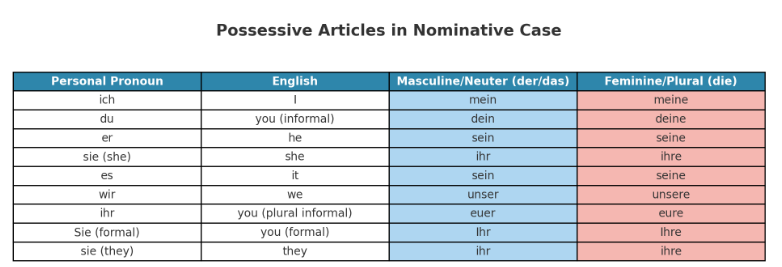
24.German language A1: Possessive Articles in German
When speaking German, we often need to say “my car,” “your cat,” “his book,” etc….

Leave a Reply