7. German language A1 : Getting to know someone in German language

7. German language A1 : Getting to know someone in German language

When learning a new language, one of the most important skills is being able to introduce yourself and ask basic questions. In German, jemanden kennenlernen means getting to know someone โ€” and itโ€™s a great way to start practicing your speaking skills.

Today, weโ€™ll go through 10 essential questions and answers you can use to meet new people in German.

1. Wie heiรŸen Sie?

Meaning: What is your name? (formal)
Antwort (Answer): Ich heiรŸe Yogin. โ€” Iโ€™m Yogin.


2. Wie ist Ihr Familienname?

Meaning: What is your family name / surname?
Antwort: Mein Familienname ist Savani. โ€” My surname is Savani.


3. Woher kommen Sie?

Meaning: Where are you from?
Antwort: Ich komme aus Deutschland. โ€” Iโ€™m from Germany.


4. Wo wohnen Sie?

Meaning: Where do you live?
Antwort: Ich wohne in Dortmund. โ€” I live in Dortmund.


5. Wie alt sind Sie? (formal) / Wie alt bist du? (informal)

Meaning: How old are you?
Antwort: Ich bin 29 Jahre alt. โ€” Iโ€™m 29 years old.


6. Welche Sprachen sprechen Sie?

Meaning: Which languages do you speak?
Antwort: Ich spreche Deutsch und Englisch. โ€” I speak German and English.


7. Was machen Sie beruflich?

Meaning: What is your profession?
Antwort: Ich bin Softwarearchitekt von Beruf. โ€” Iโ€™m a software architect by profession.


8. Was sind Ihre Hobbys?

Meaning: What are your hobbies?
Antwort: Meine Hobbys sind fernsehen und Musik hรถren. โ€” My hobbies are watching TV and listening to music.


9. Sind Sie verheiratet?

Meaning: Are you married?
Antwort:

  • Ja, ich bin verheiratet. โ€” Yes, Iโ€™m married.
  • Nein, ich bin ledig. โ€” No, Iโ€™m single.

10. Haben Sie Kinder?

Meaning: Do you have children?
Antwort:

  • Ja, ich habe zwei Kinder. โ€” Yes, I have two children.
  • Nein, ich habe keine Kinder. โ€” No, I donโ€™t have children.

Quick Grammar Tip

In German, the verb almost always comes in the second position in a sentence.
Example: Ich heiรŸe Anna. (heiรŸe is the verb, and itโ€™s in the second position.)
There are a few exceptions, but weโ€™ll learn those later.


Viel Erfolg beim Lernen! ๐ŸŽฏ
(Good luck learning!)

With these 10 questions and answers, youโ€™ll be able to introduce yourself and start a basic conversation in German with confidence.

Please donate to us for support: PayPal

Greetings (BegrรผรŸungen) in german language, German A1, learn german. german A1

1. German language A1 : Greetings (BegrรผรŸungen).

2. German language A1 : Commonly Used Phrases

numbers in german, zahlen in german, 0 to 20 in german

3. German language A1 : German Numbers (Zahlen) 0โ€“20

german numbers 21-100, german numbers, learn german A1

4. German language A1 : Numbers (Zahlen) 21โ€“100

German Alphabet

5. Learning German A1 โ€“ The German Alphabet

Introducing Yourself inย German

6. German language A1ย : Introducing Yourself inย German

Getting to know someone in German language

7. German language A1 : Getting to know someone in German language

How are you in German

8. German language A1 : Wie gehtโ€™s – How are you? in German

9. German language A1 : Sentence Strucutre

10. German language A1 Pronouns & Verb Conjugation

10. German language A1 : Pronouns & Verb Conjugation

Personal Pronouns in german

11. German language A1 : Personal Pronouns (Personalpronomen)

Haben and Sein in German

12. German language A1 :ย Haben (to have) & Sein (to be) in German

13. German language A1 : Verb Structure in German language

RegelmรครŸige Verben Conjugation in German A1, German A1 verbs

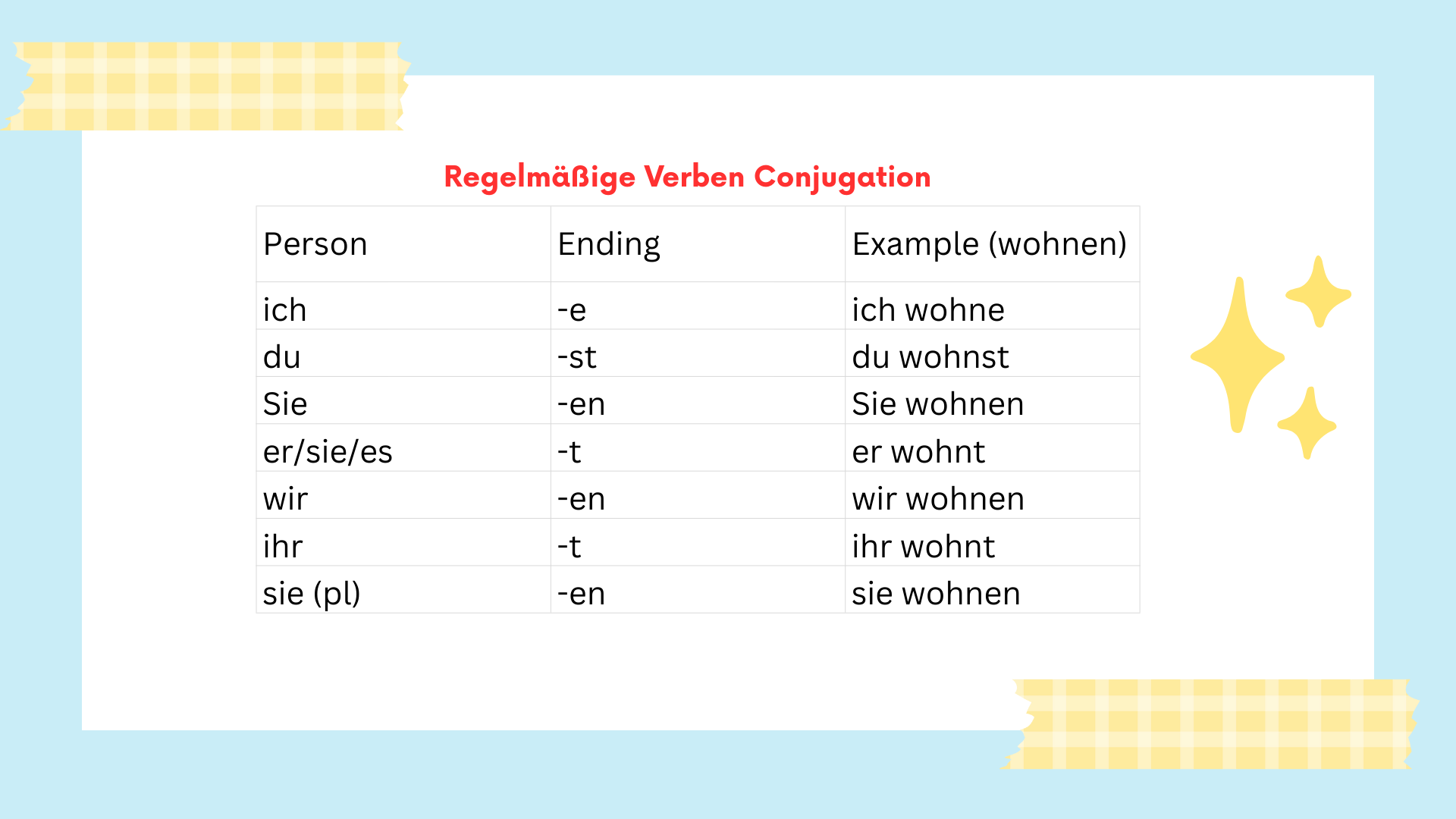
14. German language A1 : RegelmรครŸige Verben Conjugation

German language A1 UnregelmรครŸige Verben (Irregular Verbs in German).

15. German language A1: UnregelmรครŸige Verben (Irregular Verbs in German).

German language A1 Numbers (Zahlen) above 100

16. German language A1 : Numbers (Zahlen) above 100

German A1: Adjectives with Their Opposites

17. Learn German A1 : Adjectives with Their Opposites

How to Introduce Someone in German (Jemanden vorstellen)

18. German language A1 : How to Introduce Someone in German (Jemanden vorstellen)

19. German language A1 : Articles in German | Bestimmte Artikel (Der Die Das) im Nominativ

19. German language A1 : Articles in German | Bestimmte Artikel (Der Die Das) im Nominativ

Unbestimmte Artikel im Nominativ (Indefinite Articles in Nominative Case)

20. German language A1 : Unbestimmte Artikel im Nominativ (Indefinite Articles in Nominative Case)

21. German language A1 : Negative Articles in German (Kein)

22. German language A1: Official Time (Offizielle Zeit)

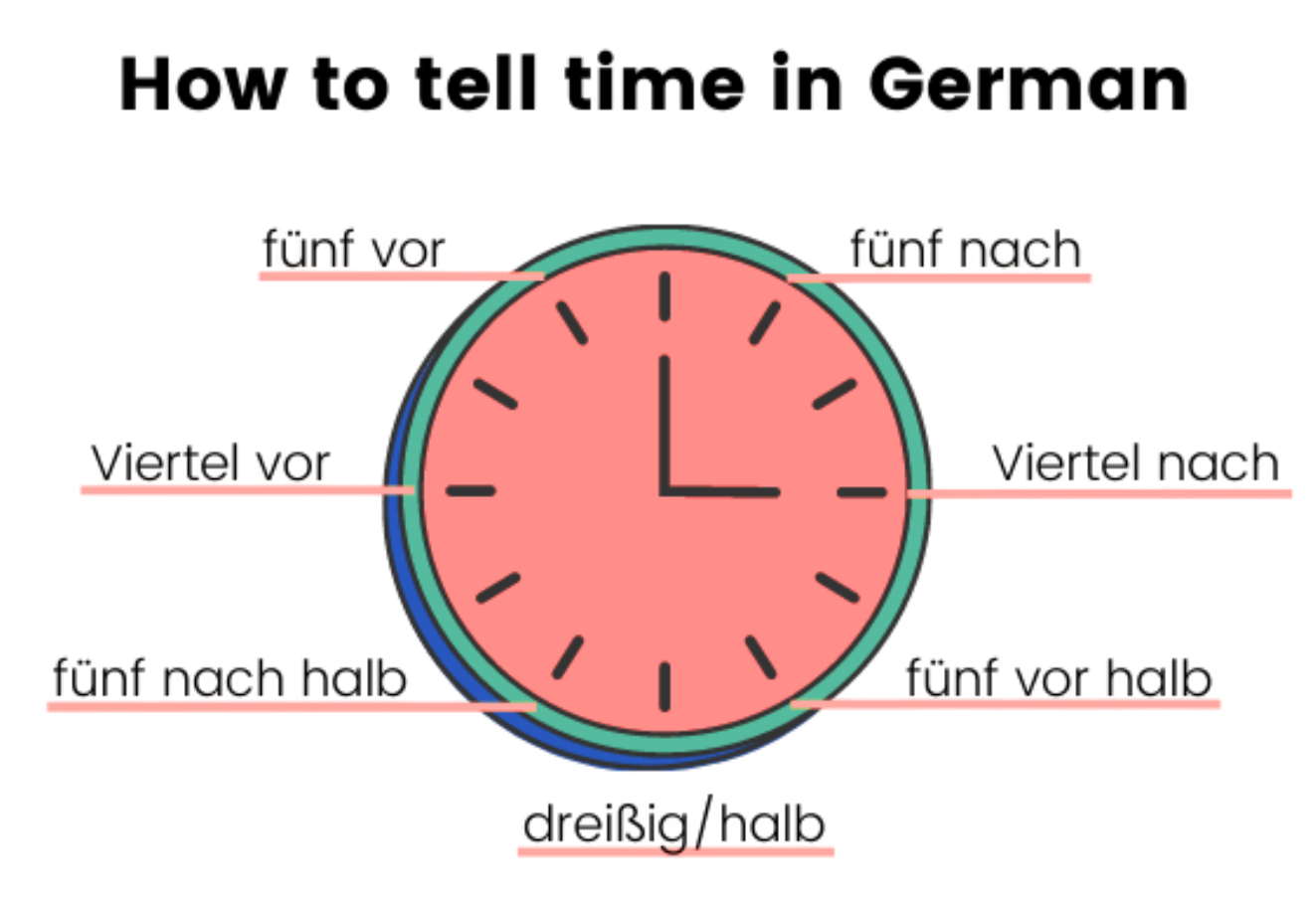
How to tell time in German

23 : German language A1 : colloquial and unofficial way time in German

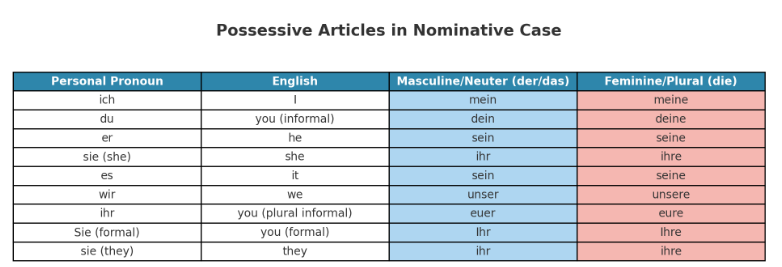
Possessive Articles in German

24.German language A1: Possessive Articles in German

Family in German

25. German language A1: The Family (Die Familie) in German.

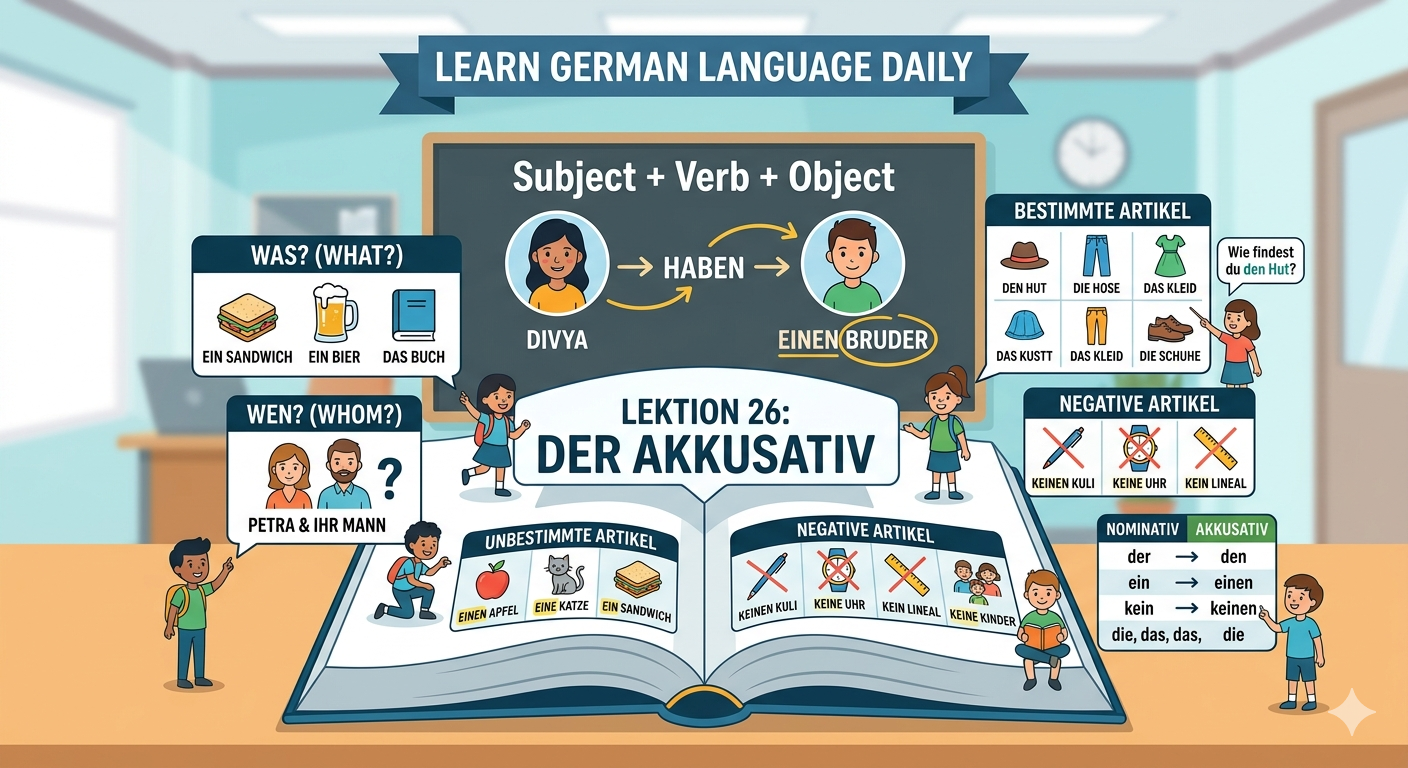
Akkusativ in German language

26. German language A1 : Mastering the Accusative Case (Akkusativ) in German

Possessive Articles in the Accusative Case (Possessivartikel im Akkusativ)

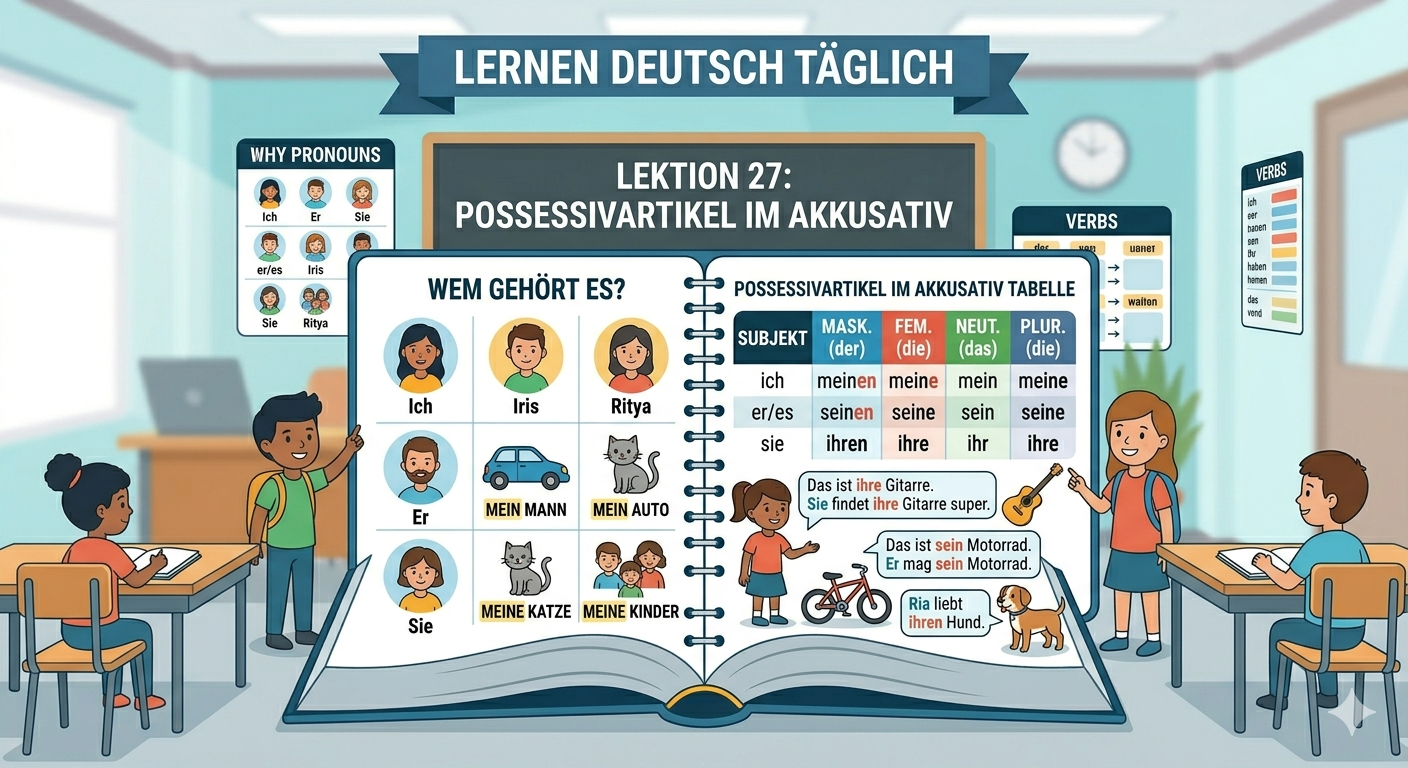
27. German language A1 : Possessive Articles in the Accusative Case (Possessivartikel im Akkusativ)

The Modal Verb "mรถchten" (Would Like To)

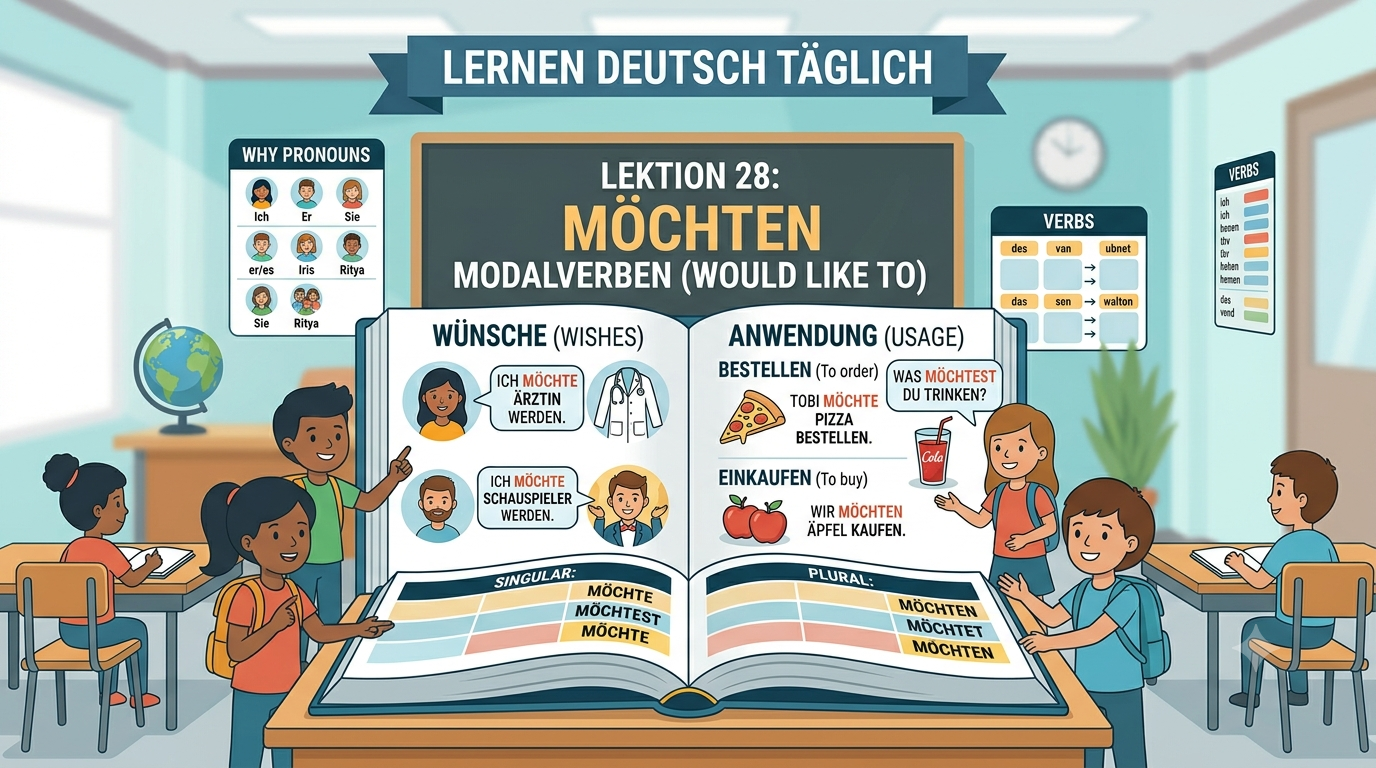
28. German language A1 : The Modal Verb “mรถchten” (Would Like To).

Learn german language daily

Leave a Reply